
Drought and Your Lawn
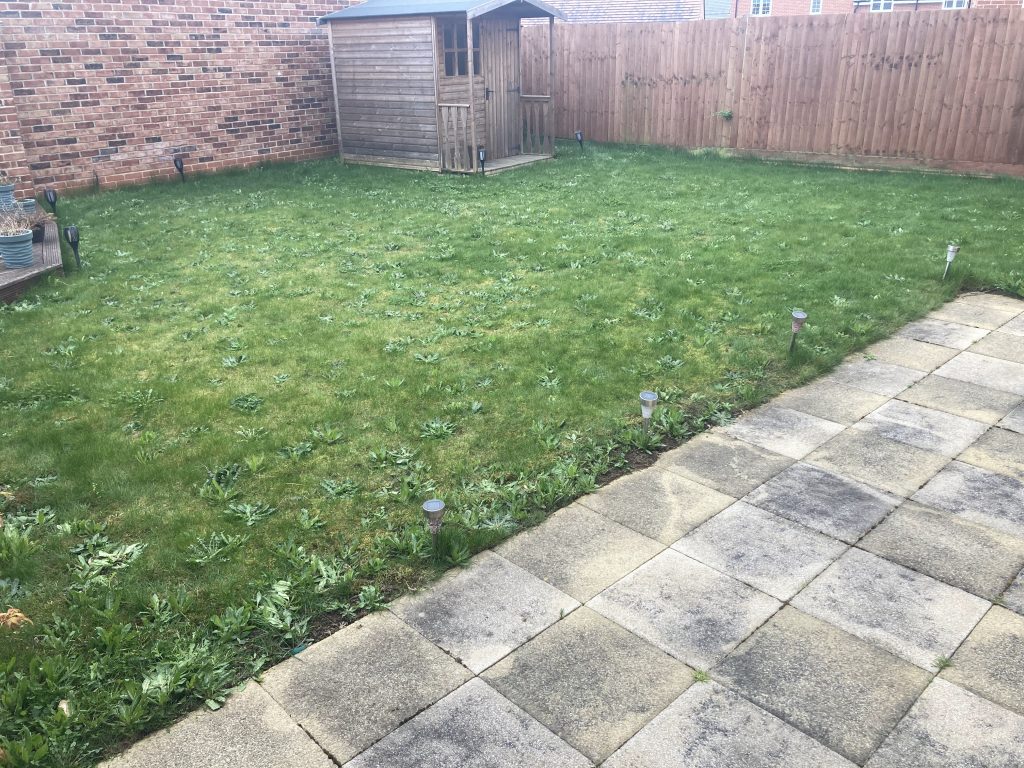
If your lawn is looking weedier than usual this autumn, you are not imagining it — and it is not a reflection of how well your lawn has been cared for. It is the predictable result of a summer that was unusually hard on grass but unusually kind to weeds.
Here is what happened, and what we are doing about it.
Your grass survived. Your weeds thrived.
During a drought, UK lawn grasses do something clever: they go dormant. The leaves turn brown and die back, but the crown and root system stays alive underground, conserving energy and moisture until conditions improve. It is a survival mechanism, not death — but it means the grass effectively stops growing and stops competing with anything around it.
Weeds, on the other hand, do not play by the same rules. Species like dandelion, daisy, clover, plantain, and annual meadow grass are far more drought-tolerant than lawn grasses. Through June, July, and August, while your grass was in retreat, weeds were actively growing, spreading, and — critically — seeding. Dandelion clocks drifting on the breeze. Annual meadow grass pushing out seed heads at low mowing height. Clover dropping seeds into bare patches that the retreating turf had left wide open.
The lawn was essentially a seed bed all summer, and weeds made full use of it.
The first rain is where it tips
When rain returns after a drought, it triggers a race — and weeds win it.
Weed seeds need very little to germinate: soil contact, a little warmth, and minimal moisture. Even a light shower is enough to set them off. Within days of the first significant rainfall, seeds that have been sitting dormant in the soil surface all summer begin to sprout.
Dormant grass needs much more. To break dormancy properly, the plant has to rehydrate its crown and root system, rebuild leaf tissue from stored energy reserves, and restore cellular function throughout. That takes sustained, consistent moisture over days or weeks — not a single shower.
The result is a window of two to three weeks where newly germinated weeds are in active growth and the grass has not yet caught up. That is the window you can see in your lawn right now.
Some grasses take longer to recover than others
Not all grass species bounce back from dormancy at the same speed, and this matters.
Perennial ryegrass tends to green up relatively quickly once rainfall is sustained. But the finer, higher-quality grasses — the fescues and browntop bent that give a lawn its texture and density — are a different story. These species are actually the most drought-tolerant, going dormant more completely to survive. The trade-off is that they need more sustained moisture to wake back up, and they return to growth more slowly.
So a lawn with high-quality fine grasses can actually look worse than expected after rain returns, even if the grass is perfectly healthy underneath. The weeds are three weeks into active growth; the fescues are still in low gear.
What we are doing about it
Autumn is actually the right time to tackle post-drought weeds — because actively growing weeds take up herbicide far more effectively than dormant ones. The weeds that have established this summer are in full leaf now, which means any treatment we apply goes straight to work.
We are treating weeds across all our customers’ lawns as part of this autumn’s round. Where bare patches remain from the summer, we will assess whether overseeding or renovation is needed to close them off before they become next year’s problem.
If you have any questions about how your lawn is looking this autumn, just reply to any of our emails or give us a call on 01462 512512.